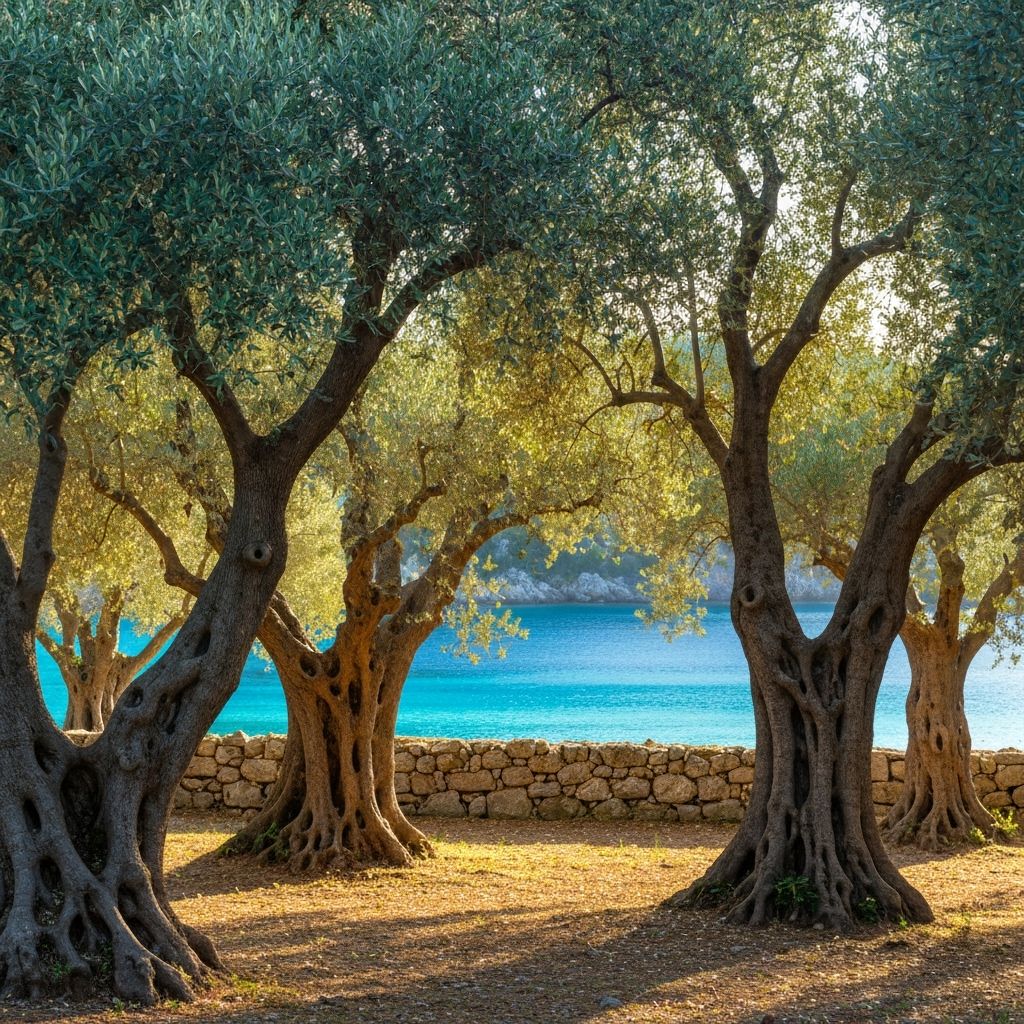
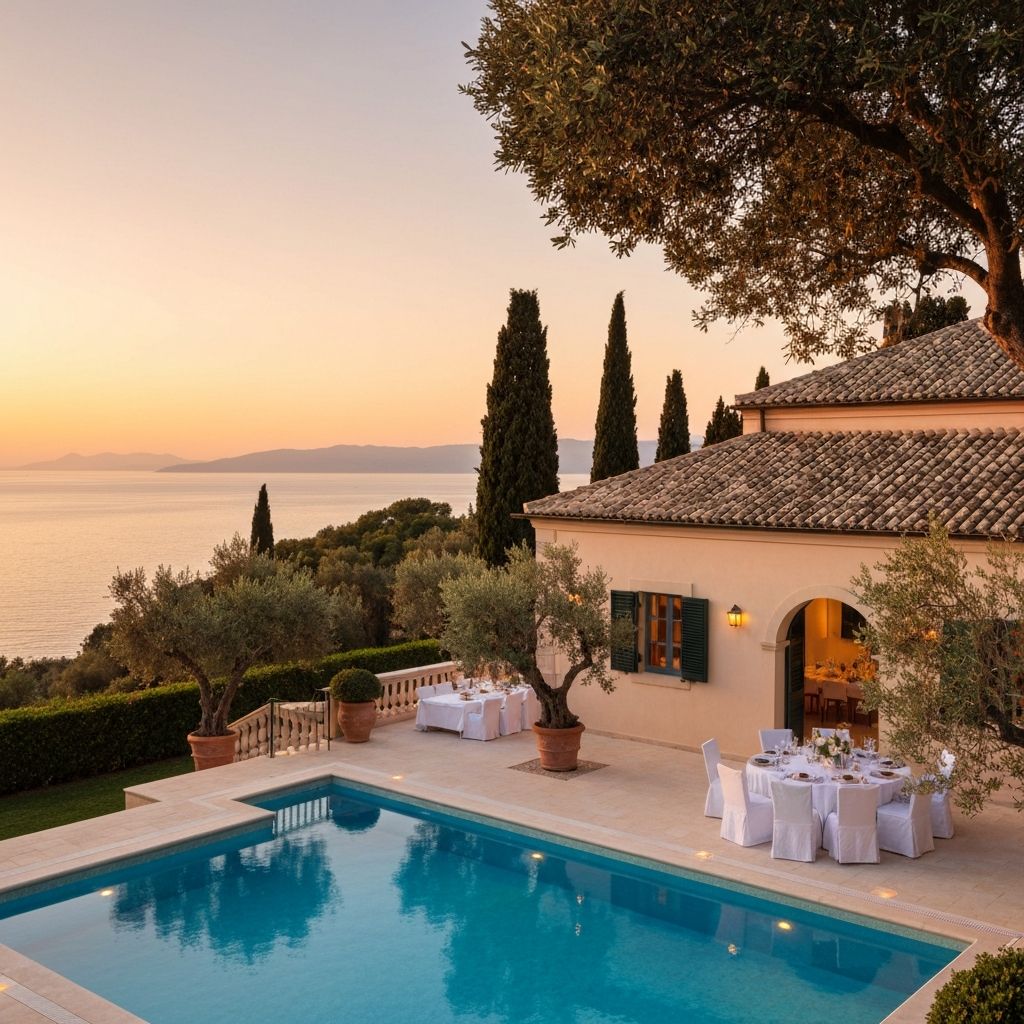
The silver-green leaves catch the light differently here. Not the harsh glare of the open Mediterranean, but something softer, filtered through a canopy that has witnessed four centuries of island life. These are the olive groves of Corfu—not merely agricultural, but monumental, each gnarled trunk a living artifact of Venetian ambition and Greek resilience.
Seeds of Empire
When the Republic of Venice assumed control of Corfu in 1386, they recognized immediately the island's potential for olive cultivation. The Venetians were nothing if not pragmatic in their imperialism; they offered bounties for every olive tree planted and penalties for those who cut them down.
The result transformed Corfu's landscape utterly. By the height of Venetian rule, the island was home to over four million olive trees—a number that remains roughly constant today. The oil they produced flowed back to Venice, fueling lamps, filling kitchens, and generating wealth that built the elegant infrastructure visitors still admire.
But the Venetians planted better than they knew. The trees they mandated have outlived their empire by centuries, their trunks growing ever more massive, their roots reaching ever deeper into Corfiot soil. Today, these ancient trees are not merely productive—they are monuments to the island's layered history.
Walking Among Giants
To truly appreciate Corfu's olive groves, one must walk among them. The experience is unlike anything else in the Mediterranean—partly because of the trees' extraordinary age and size, partly because of the wild beauty that surrounds them.
Unlike the neat rows of Tuscan groves or the pruned precision of Spanish orchards, Corfiot olives grow in magnificent disorder. Wildflowers carpet the ground in spring; cicadas provide a constant soundtrack in summer; and always, the play of light through silvery leaves creates an atmosphere more cathedral than farm.
The most remarkable specimens are found in the island's interior, in groves that have been in continuous cultivation since the 1600s. Here, trees with trunks as wide as a car and branches that sweep to the ground stand as silent witnesses to history—wars, occupations, revolutions, and the countless daily dramas of Corfiot life.
The Harvest
Each autumn, Corfu comes alive with the olive harvest. Nets are spread beneath the trees, and the ancient ritual begins—a combination of traditional hand-picking and gentle mechanical vibration that has changed little in principle, if not in detail, since Venetian times.
The oil produced from these ancient trees is exceptional—greener, more peppery, more complex than younger groves can produce. Connoisseurs prize Corfiot olive oil for its distinctive character, a reflection of the volcanic soil, the island's unique microclimate, and the age of the trees themselves.
To visit during the harvest is to witness a community united in shared labor, to taste oil pressed hours from the tree, and to understand why these groves are not merely farmed but cherished—not resources but heritage, passed from generation to generation with the reverence such living history deserves.
An olive tree is not merely a tree. It is a library of the centuries, written in rings of growth and twists of bark.
— Alexandros Papadopoulos