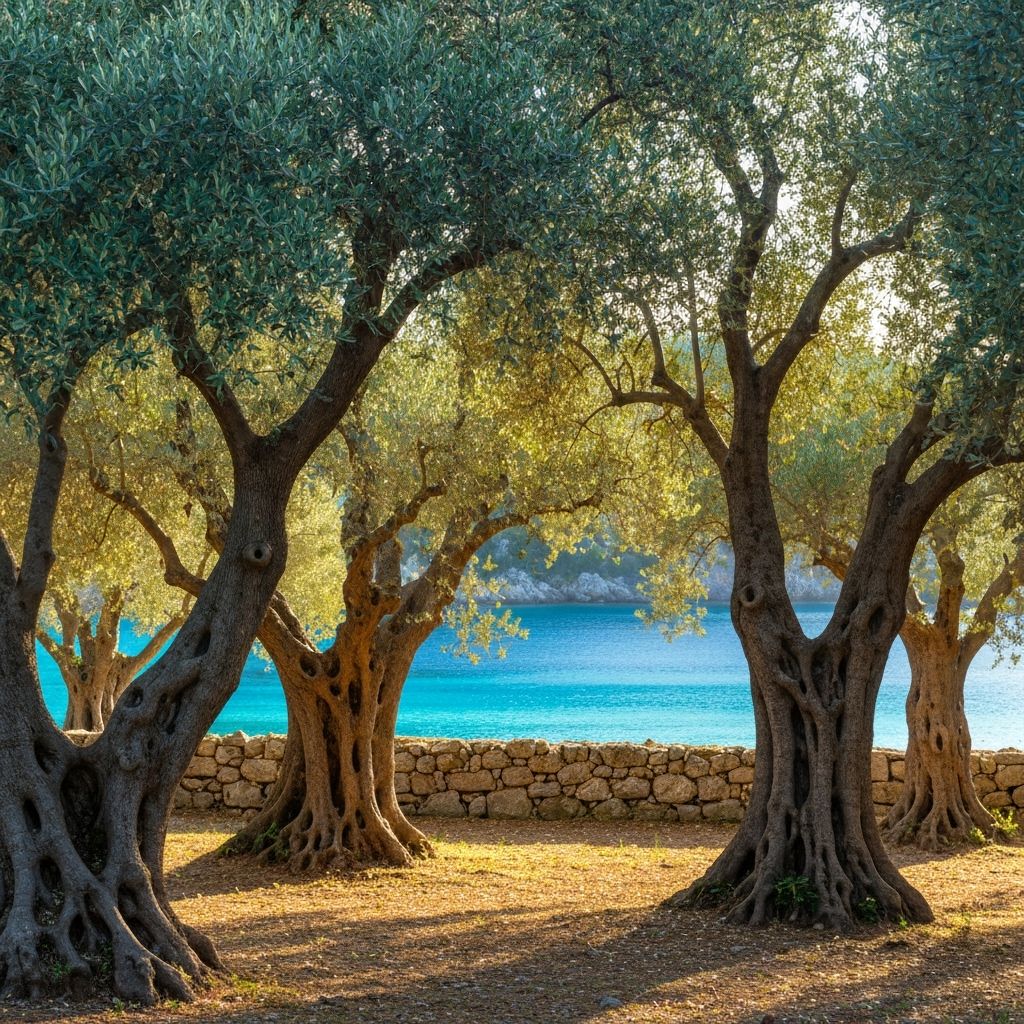
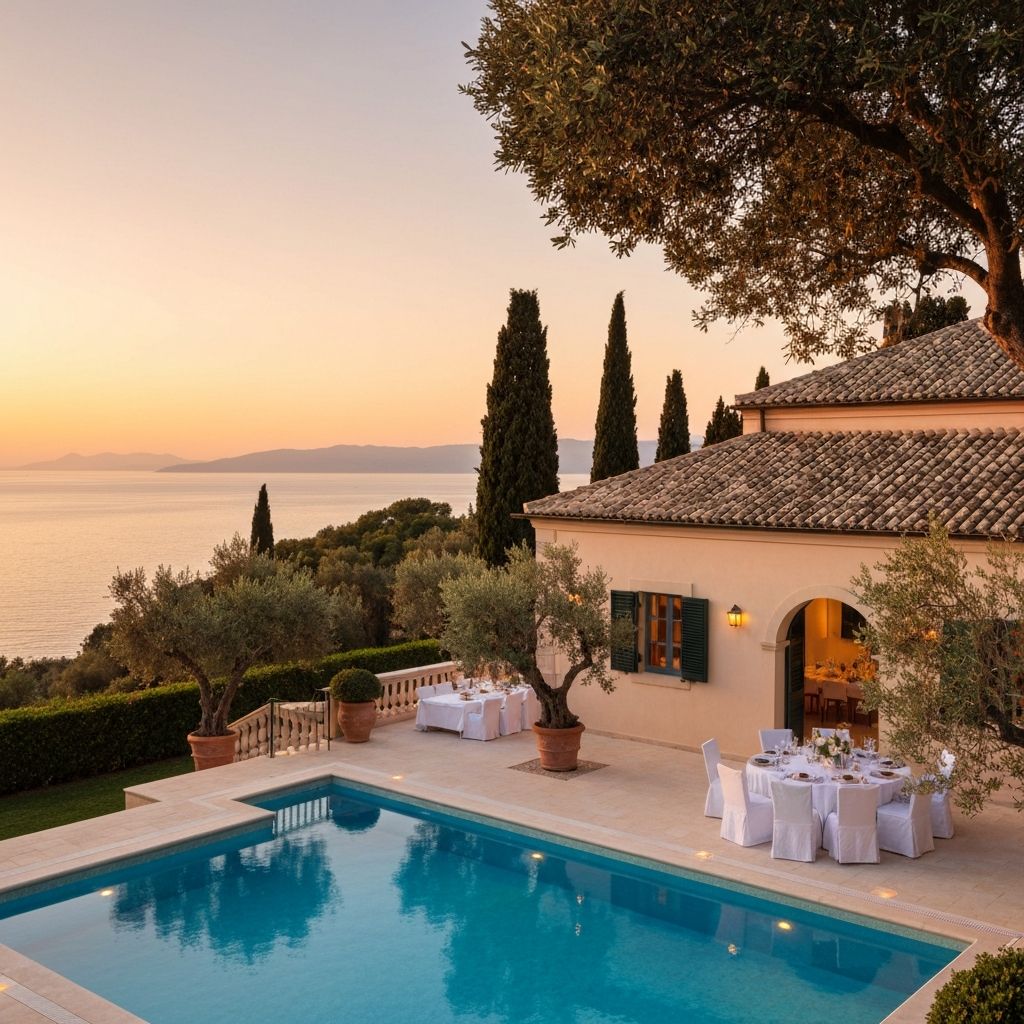
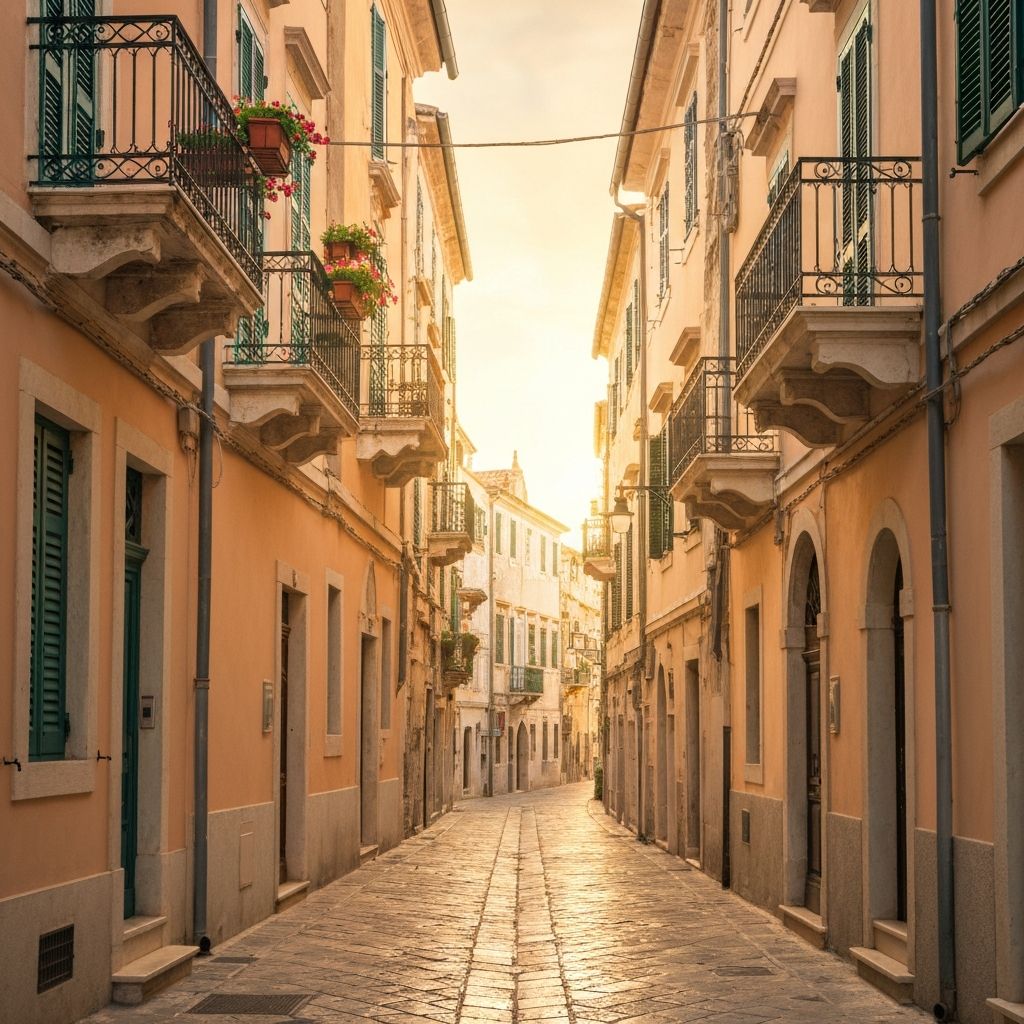
Corfu's four million olive trees are not merely agricultural—they are monuments, living witnesses to centuries of island history. Some were planted by the Venetians in the 16th century, their gnarled trunks now twisted into shapes that seem more sculpture than nature.
A Venetian Legacy
When the Republic of Venice held Corfu, they mandated the planting of olive trees, offering bounties for each sapling that took root. The result was a transformation of the landscape—and the economy—that endures to this day. Corfiot olive oil, pressed from these ancient trees, is prized throughout the Mediterranean.
Walking through a Corfiot olive grove is a meditative experience. The silvery leaves filter the harsh Mediterranean sun into a soft, dappled light, and the twisted trunks create natural sculptures that change character with every shift of shadow. In spring, wildflowers carpet the ground beneath; in autumn, the harvest begins much as it has for four hundred years.
The Living Landscape
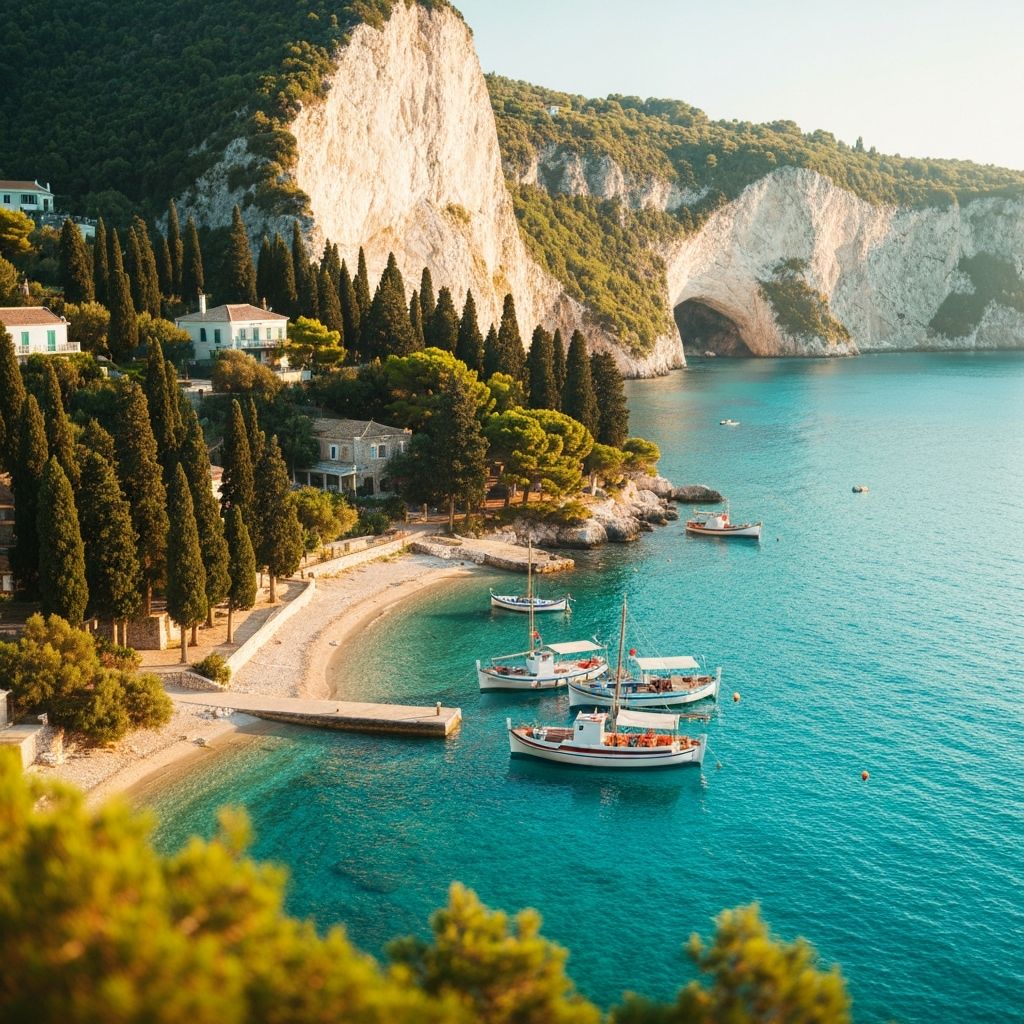
Unlike the manicured groves of Tuscany, Corfu's olive trees grow in wild profusion, interspersed with cypresses and wildflowers, tumbling down hillsides and climbing mountain slopes. This is agriculture as ecosystem, where ancient trees coexist with the natural landscape rather than dominating it.
The most remarkable specimens are found in the island's interior, where trees with trunks as wide as a car and branches that sweep the ground stand as silent witnesses to centuries of island life. Some locals claim these ancient trees harbor spirits; spending time beneath their shade, it's easy to believe them.
An olive tree is not merely a tree. It is a library of the centuries, written in rings of growth and twists of bark.
— Alexandros Papadopoulos