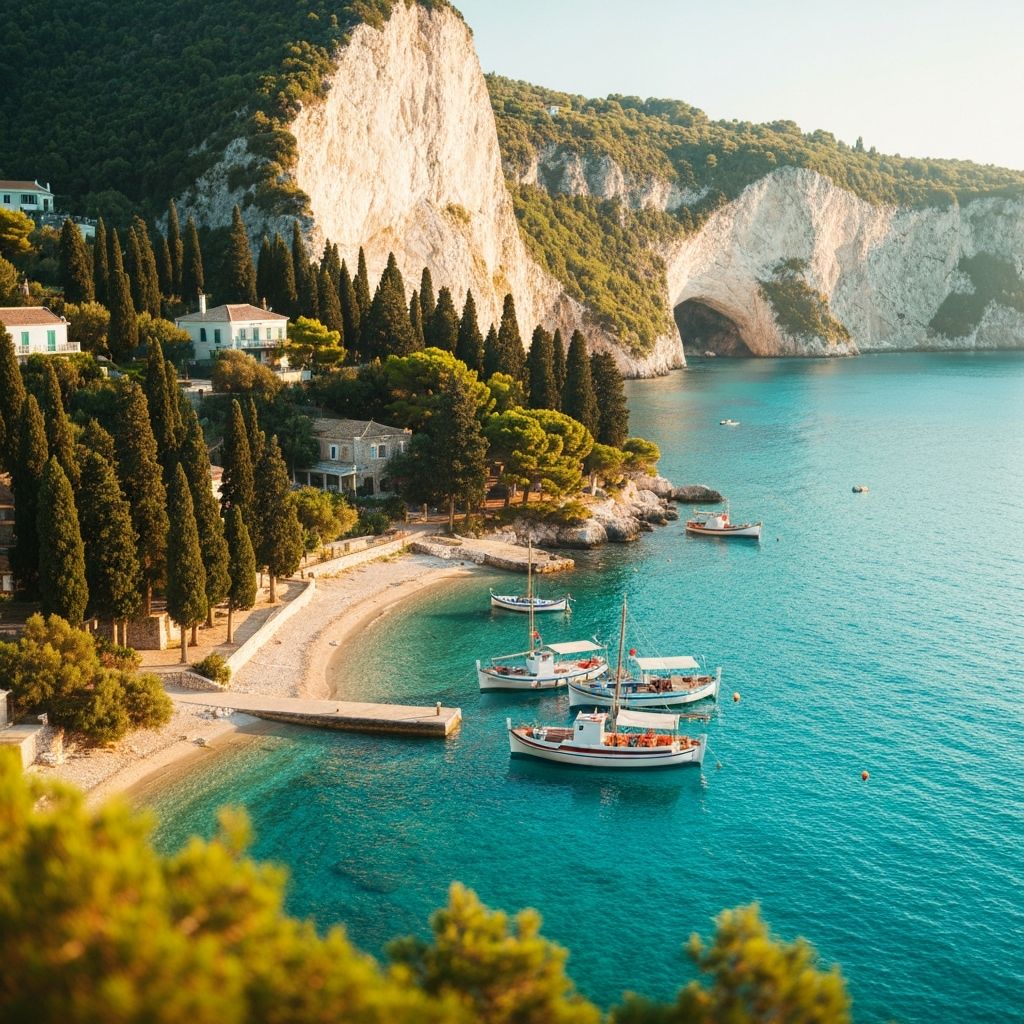
The anchor chain rattled as it ran out, fifty meters of it disappearing into water so clear I could watch it settle on the sandy bottom far below. We were alone in a cove I couldn't have found on any map, surrounded by limestone cliffs that glowed gold in the late afternoon light. This is the Ionian as it reveals itself only to those who approach by sea.
Day One: Departure
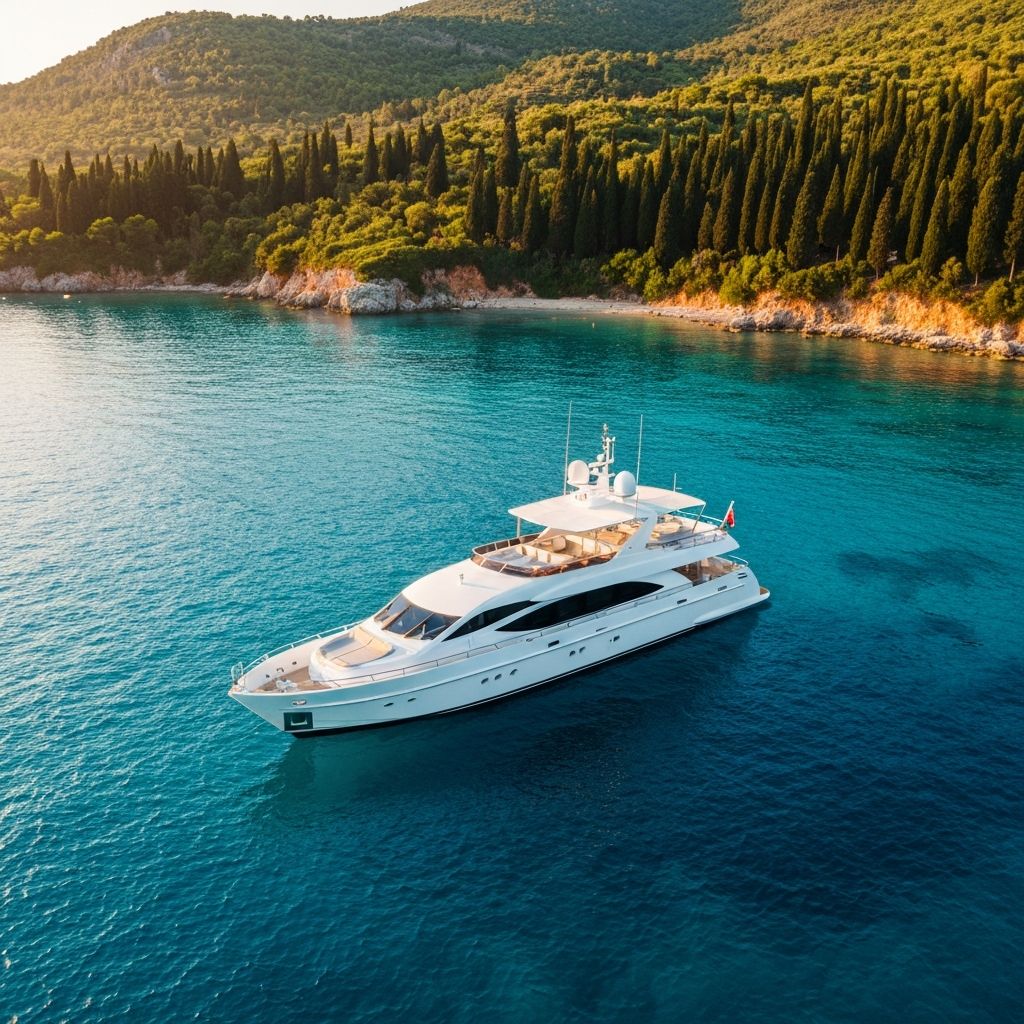
We departed Gouvia Marina at noon, the sleek lines of our chartered yacht drawing admiring glances from the quay. The wind was light from the northwest—typical Ionian summer conditions, forgiving enough for novices yet sufficient to fill the sails and carry us north.
By evening, we had rounded Cape Drastis, its dramatic white cliffs catching the last of the sunset, and dropped anchor in a nameless cove known only to the skipper. Dinner was simple—grilled fish purchased that morning from a Corfu Town fisherman, local wine, cheese from the mountains—but the setting elevated it to unforgettable.
That first night, floating on water that held the day's warmth, watching stars emerge one by one above the dark bulk of the Albanian coast, I understood why people return to the Ionian year after year. It's not just the sailing; it's the access—to beauty, to solitude, to a way of experiencing the world that can't be replicated by land.
The Secret Coves
Over the following days, a pattern emerged. We would sail through the mornings, riding whatever wind the gods provided, then seek out anchorages for long, lazy afternoons of swimming and exploration.
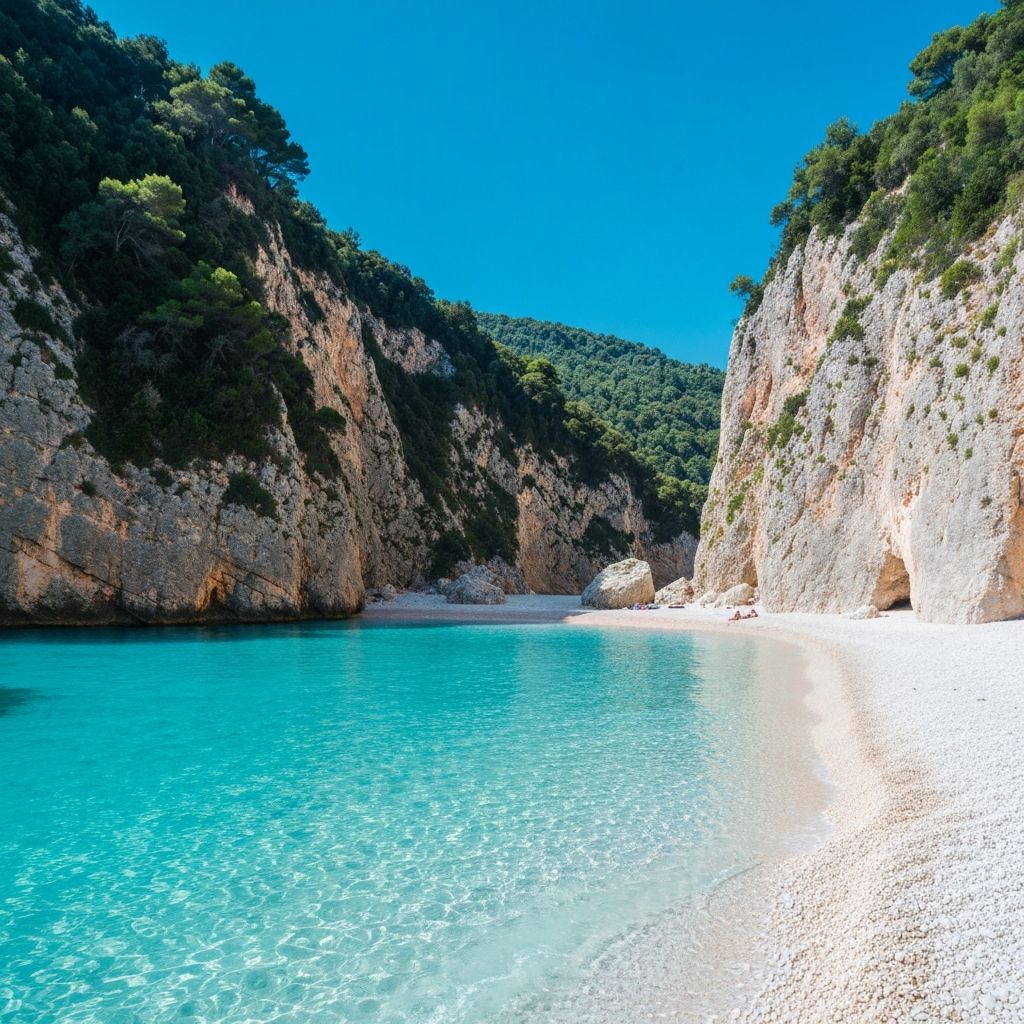
Each cove was a discovery: here, a sea cave that glowed blue at midday; there, a tiny beach of white pebbles accessible only by dinghy; elsewhere, a natural arch perfect for diving through. The skipper knew them all—knowledge accumulated over decades of sailing these waters—and shared them with the generosity that characterizes Greek hospitality.
But the greatest pleasure was often the simplest: dropping anchor in deep, clear water, diving from the stern, and swimming until my arms ached while the yacht swung gently at her mooring. In those moments, suspended between sea and sky, the rest of the world ceased to exist entirely.
Islands Beyond
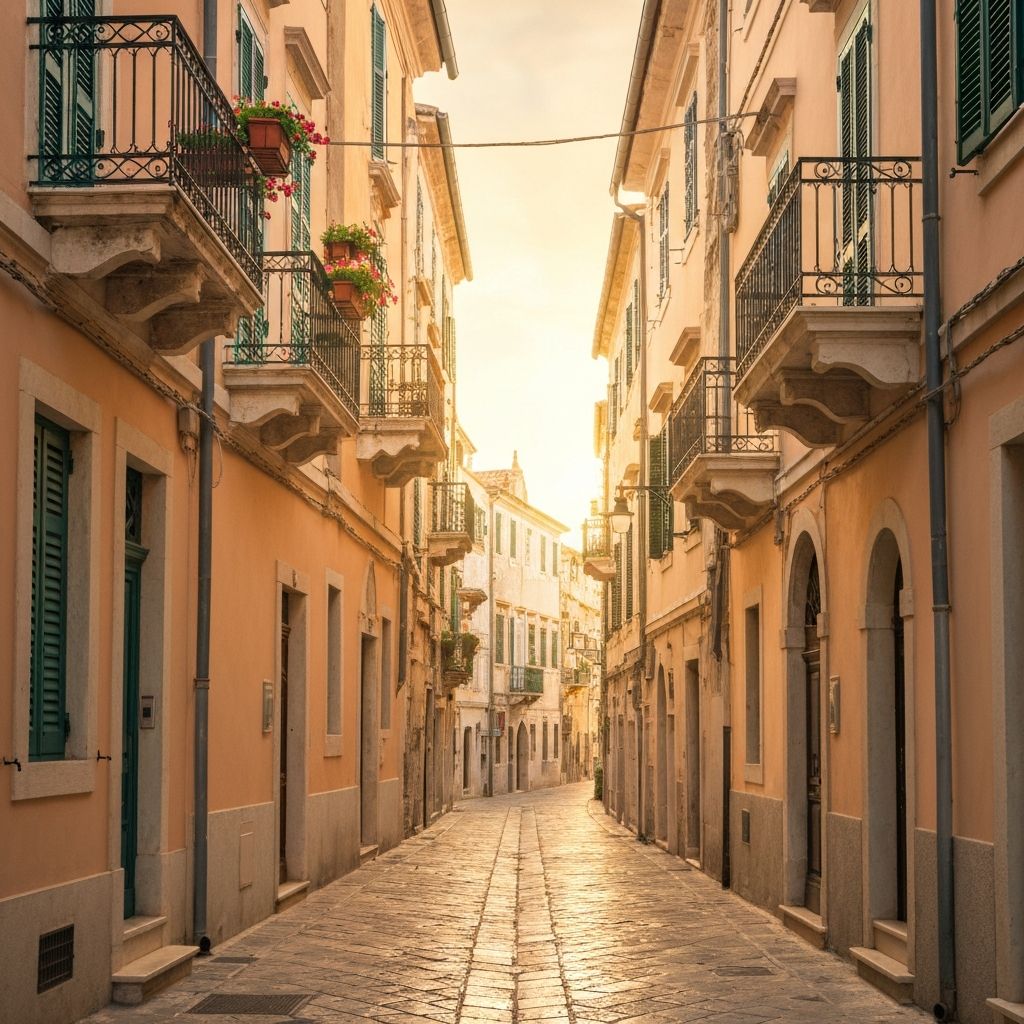
On the fourth day, we ventured south to Paxos, that miniature gem of the Ionian that seems expressly designed for arrival by sea. The harbor of Gaios wrapped around us like an embrace—pastel buildings, cafe umbrellas, the happy confusion of a fishing village meeting yacht traffic.
We stayed two nights, exploring the island by scooter and swimming at beaches that have graced a thousand magazine covers. Then onward to Antipaxos, where we found perfection at Voutoumi Beach—water of such impossible turquoise that photography fails to capture it, and a stillness broken only by the lap of waves on white pebbles.
The return to Corfu was bittersweet. The wind cooperated, offering a spirited sail that reminded us why people have done this for millennia. But the best sailing is always the kind that makes you sad to end—and this, without doubt, was the best sailing of my life.
The sea teaches us that the best journeys are those without fixed destinations.
— Ionian Wisdom